

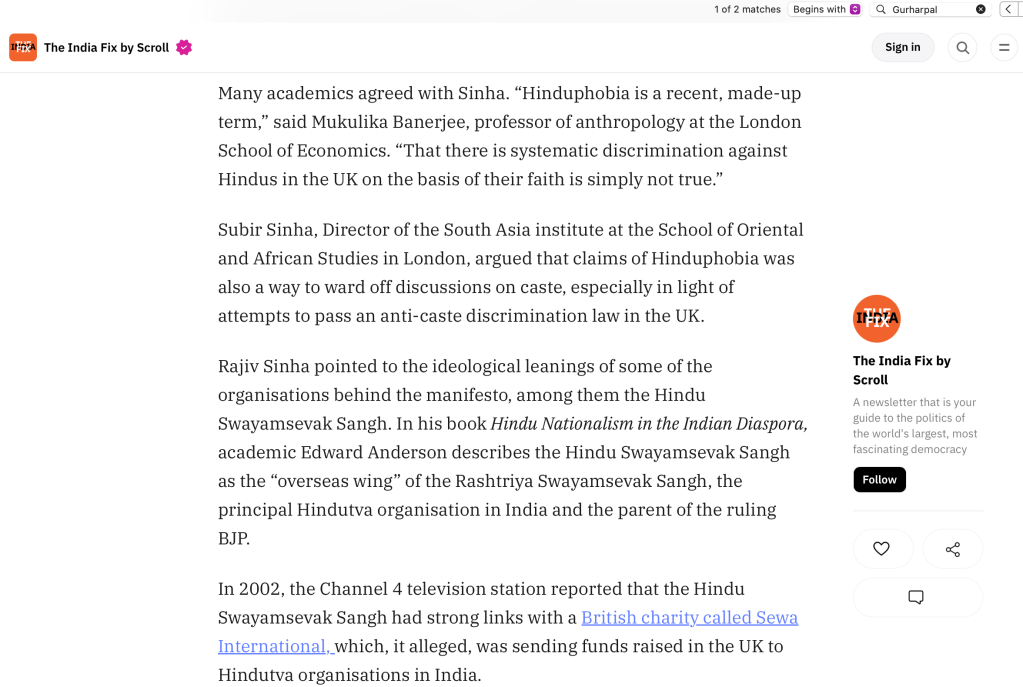
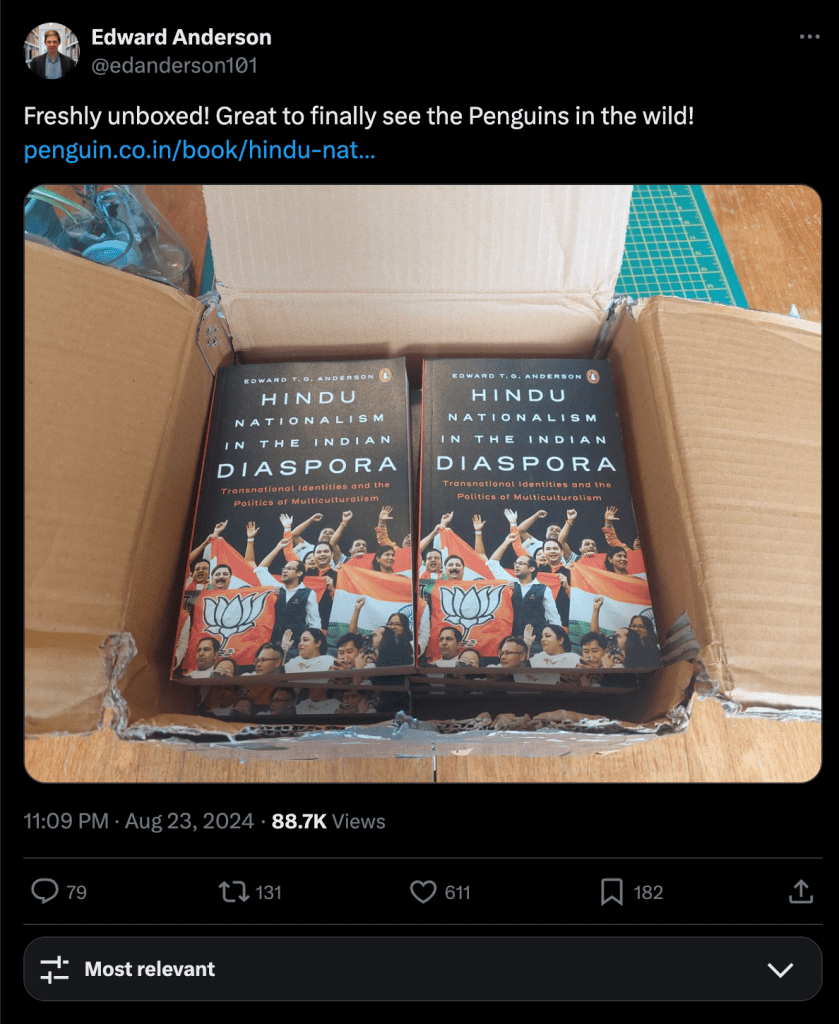
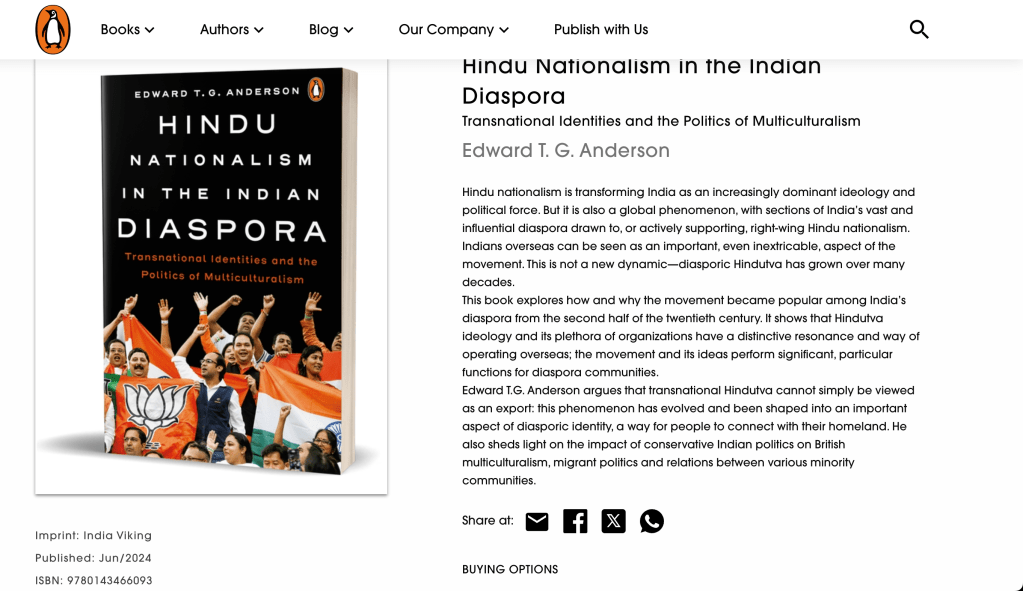
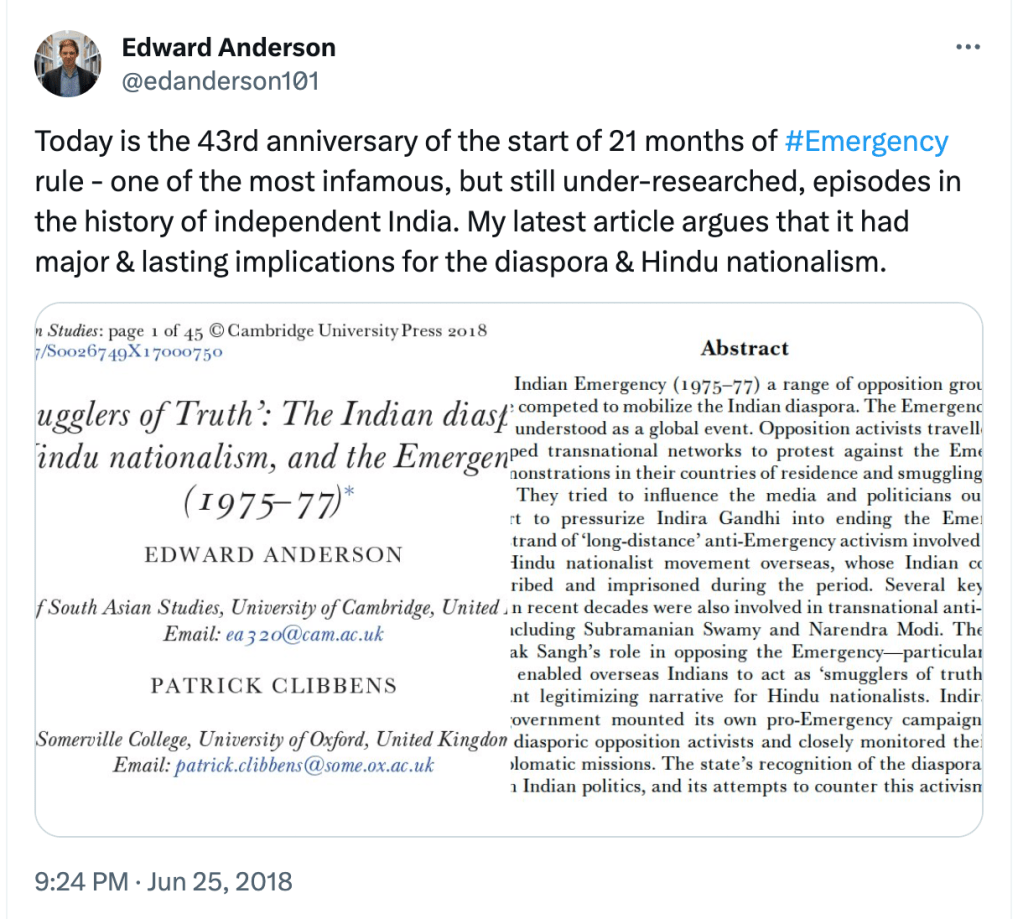
Edward Anderson is an Assistant Professor at Northumbria University, UK, where he teaches the history and politics of modern and contemporary India and Britain. His work overtly focuses on Hindu nationalism and Hindutva politics. As per the Northumbria University teacher profile, Anderson was a visiting fellow at the University of Mumbai and the Centre for Development Studies in Trivandrum. From 2025 onwards, he is a Senior Fellow at the South Asia Institute, SOAS, University of London. He has authored two books – Hindu Nationalism in The Indian Diaspora: Transnational Politics and British Multiculturalism and Neo-Hindutva.
In his interview with The Diplomat, Edward Anderson describes Hindutva as a majoritarian ideology that “seeks” to incorporate all Dharmic religions – Buddhists, Jains, and Sikhs- into the Hindutva fold. Anderson then goes on to call that inclusion “highly contentious”. He defines Neo-Hindutva as an evolved form of Hindutva that has transcended the Sangh Parivar’s boundaries and operates independently of the Sangh, in a multicultural society. In the interview Anderson says, “it’s important to note that there is a kind of received wisdom that the Indian diaspora is highly predisposed toward Hindutva ideology and very sympathetic to the RSS and Narendra Modi.” Speaking on Leicester riots, Edward Anderson subtly hints that the rumour mongering and social media misinformation, “originated in the Indian subcontinent, with hashtags like “Hindus under attack” being spread in tens and hundreds of thousands of tweets” giving a clean chit to Majid Freeman and his deliberate misinformation for which he was found guilty of instigating violence against Hindus.
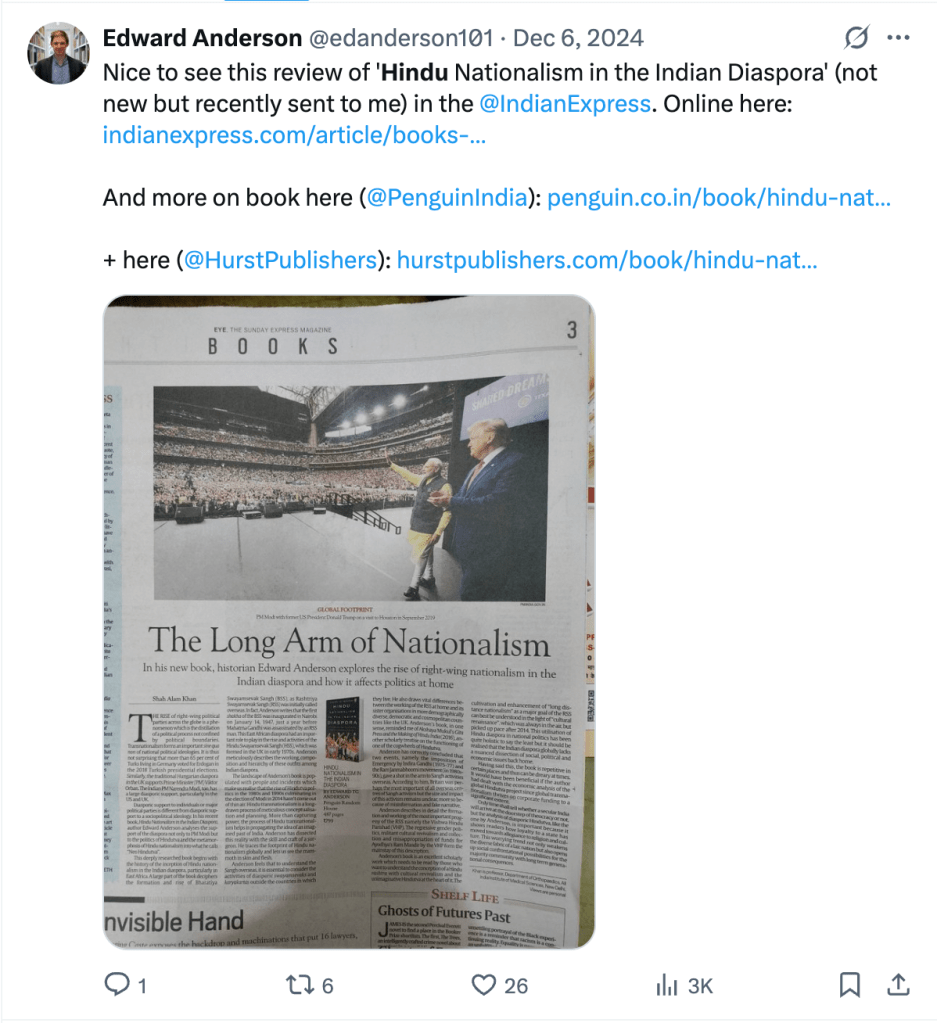
Reviewing Edward Anderson’s book “HINDU NATIONALISM IN THE INDIAN DIASPORA: Transnational Politics and British Multiculturalism”, Amog Dhar Sharma of the University of Oxford, writes, “Sartorial preferences of the swayamsevaks, mixed-gender socialization, playing football over kabaddi—these are some of the instances that give Anderson reason to argue that the shakha (and Hindu nationalism as a whole) takes root in the UK by becoming “vernacularized” in its local context.”
Co-authoring “‘Neo-Hindutva’: evolving forms, spaces, and expressions of Hindu nationalism” with Arkotong Longkumer, Edward Anderson writes about Neo-Hindutva and how it has permeating into every aspect of life in India. They define Neo-Hindutva as “to identify and understand ‘idiosyncratic expressions of Hindu nationalism which operate outside of the institutional and ideological framework of the Sangh Parivar’”. In short, Hindus who are not associated with Hindu groups with roots in India like the VHP and the RSS. The authors categorise Neo-Hindutva into hard and soft Neo-Hindutva. Hard Neo- Hindutva is described as “not reticent about being connected with Hindu nationalism…..often departing from the positioning and praxis of the Sangh”. Examples of hard Hindutva given are groups like the Hindu Yuva Vahini, the Hindu Janjagruti Samiti, Voice of India, the Forum for Hindu Awakening, Shri Ram Sena . Soft Neo-Hindutva are diaspora lobby groups like the Hindu Forum of Britain, the National Council of Hindu Temples (UK) and the Vedic Foundation in America. Quoting Christophe Jaffrelot they write that Hindu nationalists are creating a parallel state structure as “seen in cow protection vigilantes, supported by those in government, which is effecting a Hindu nation.” They further write,” Not only is it creating a parallel state, but also asymmetrical feelings and calls to devotion infringing on individual lives (for example saying ‘Bharat Mata Ki Jai’; or disallowing Muslims from praying outdoors).”
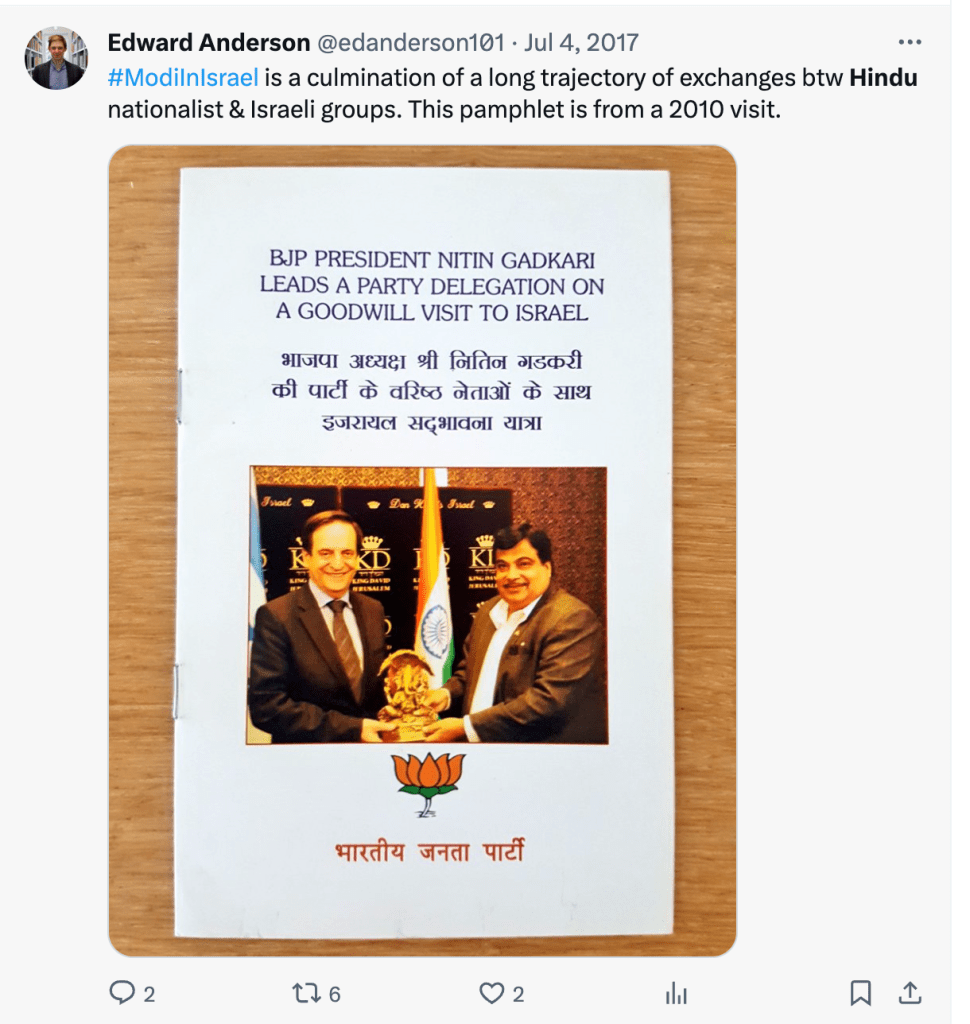
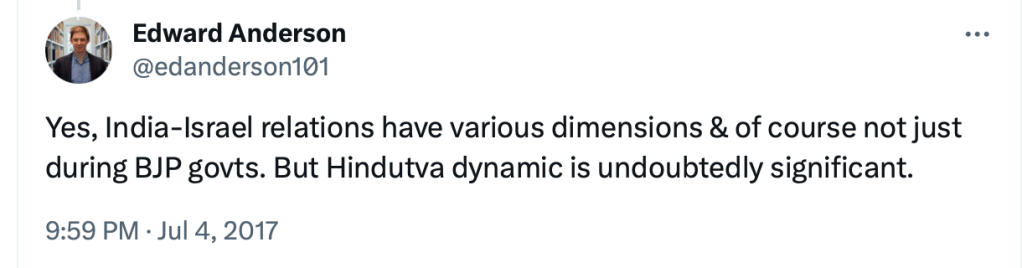
In an interview with the Indian newspaper Hindustan Times, Edward Anderson says that the Sangh and the VHP (Vishwa Hindu Parishad) introduce second- and third-generation Brits of Indian origin to Hindutva. He says, “one thing I found fascinating was that for second and third generations, or those who moved to Britain as children, their understanding of India and Hindu culture was sometimes mediated through Hindutva.” Speaking of diaspora Hindu groups that represent Hindus outside India, Edward Anderson says, “groups which embody certain forms of Hindutva ideology have been keen to speak for an ostensibly monolithic Hindu community. Through these positions, some have attempted to police representations of Hinduism, resisted proposed legislation that would outlaw caste, and participated in Islamophobic discourse.” When asked whether he notices such behaviours in Chinese, Jewish or African communities, Anderson says, “My work isn’t particularly comparative in nature, although there are certainly plenty of parallels and comparisons to be drawn with other diasporic communities and different forms of so-called ‘long distance nationalism’. ” He then goes on to equate Hindutva with Zionism and India with Israel and how the Indian diaspora seeks to emulate Israel and Zionism.
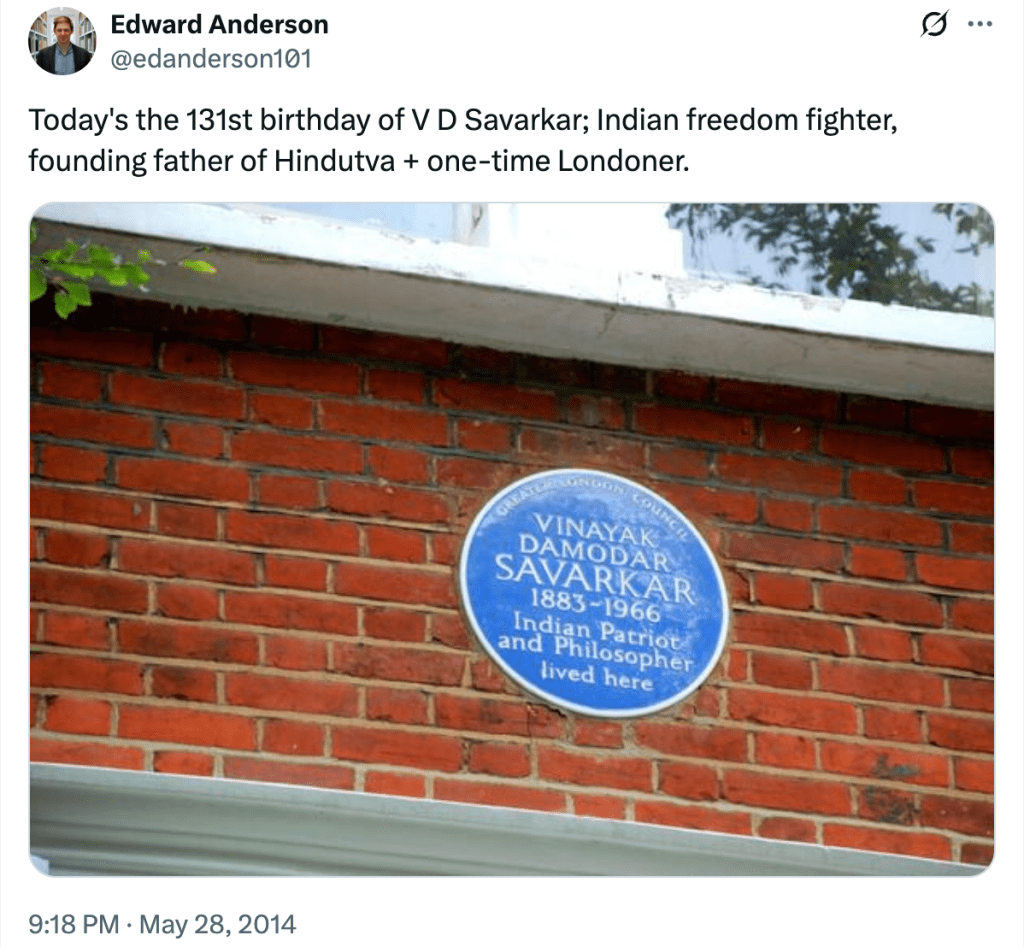
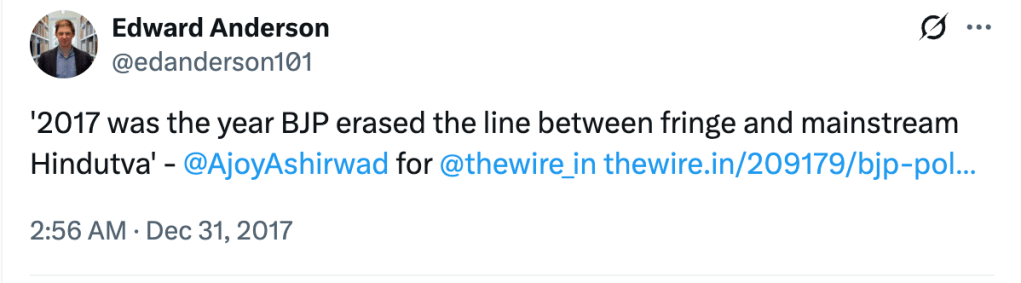
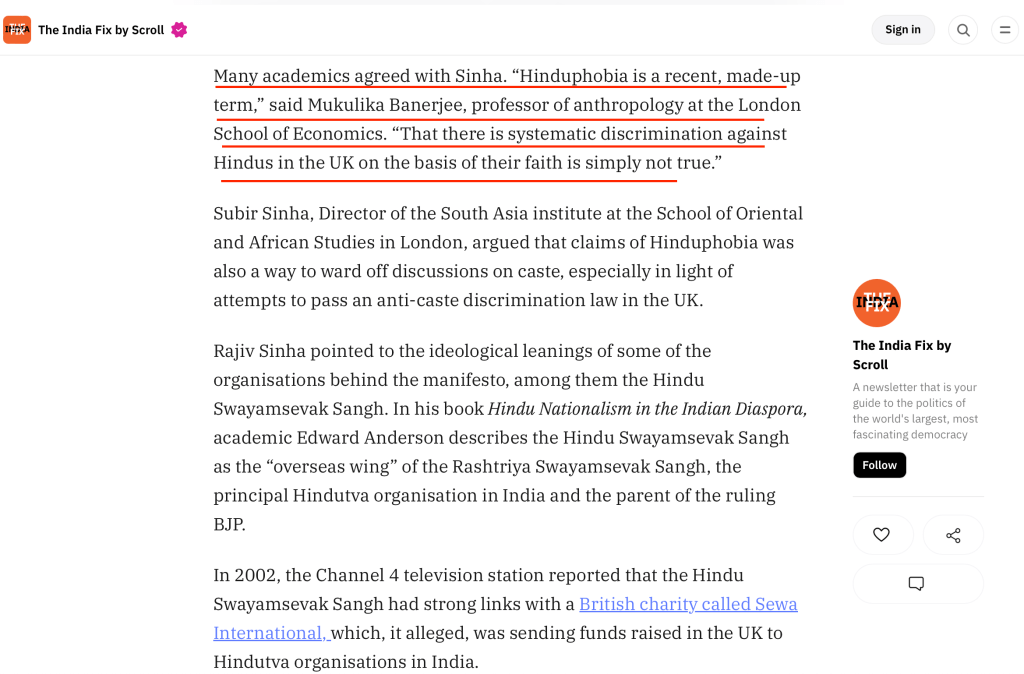
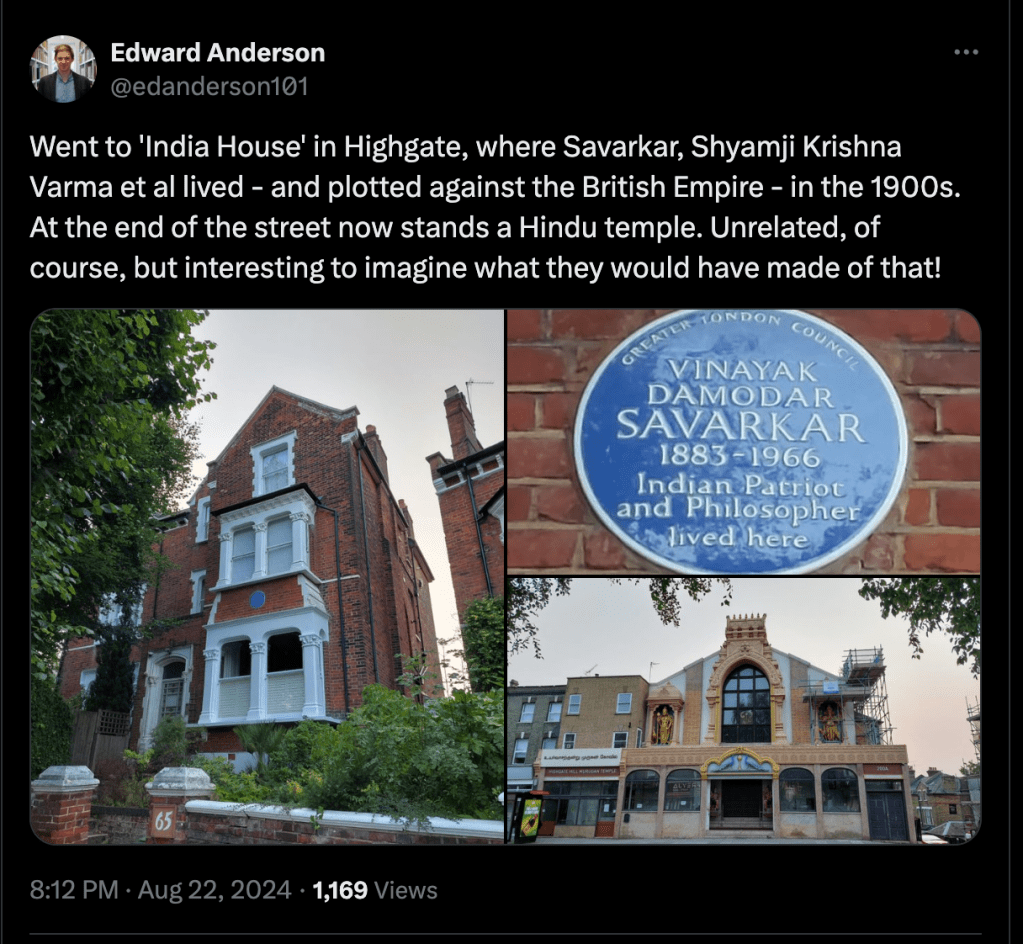
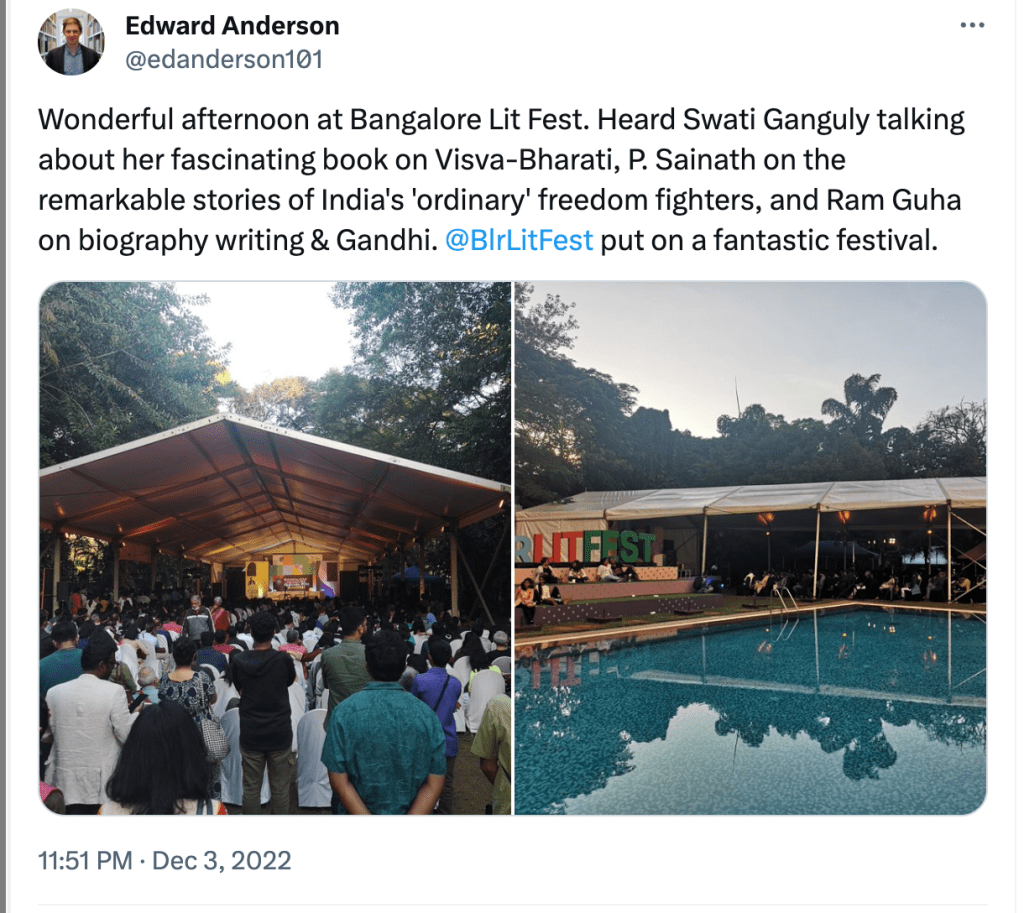
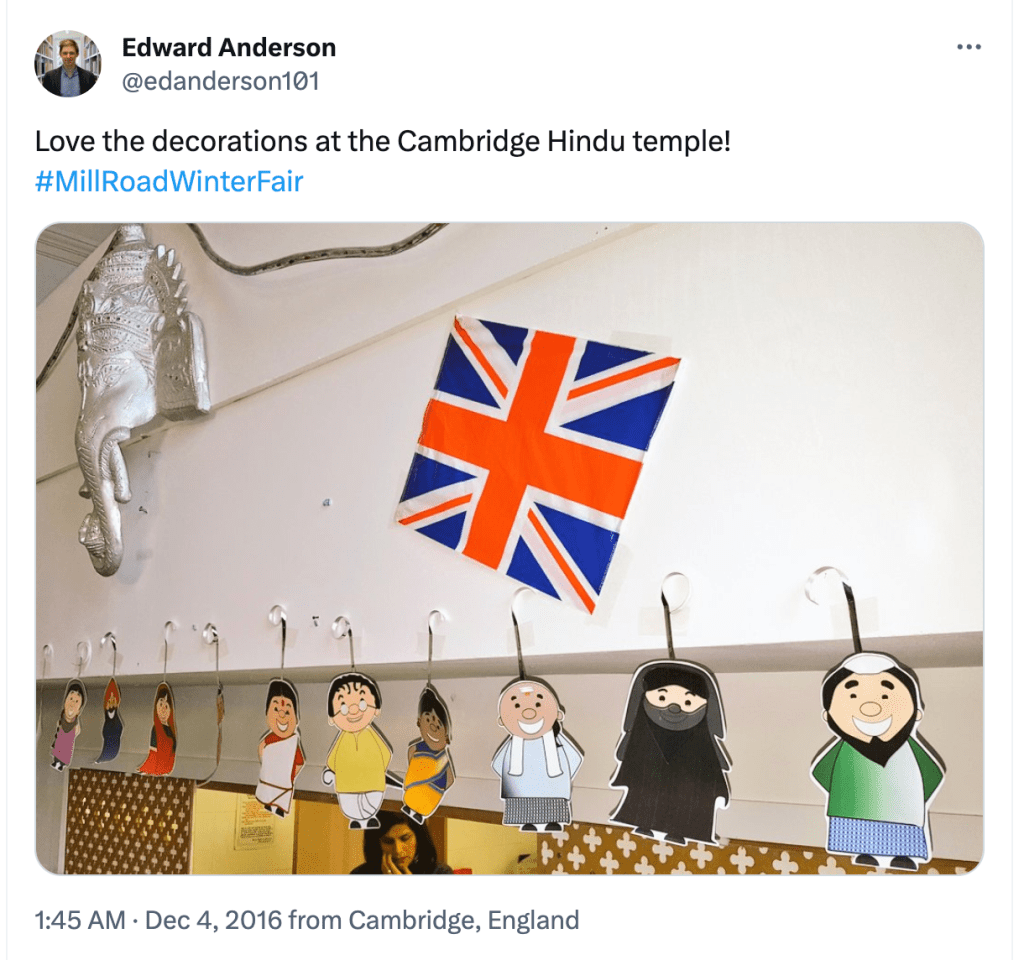
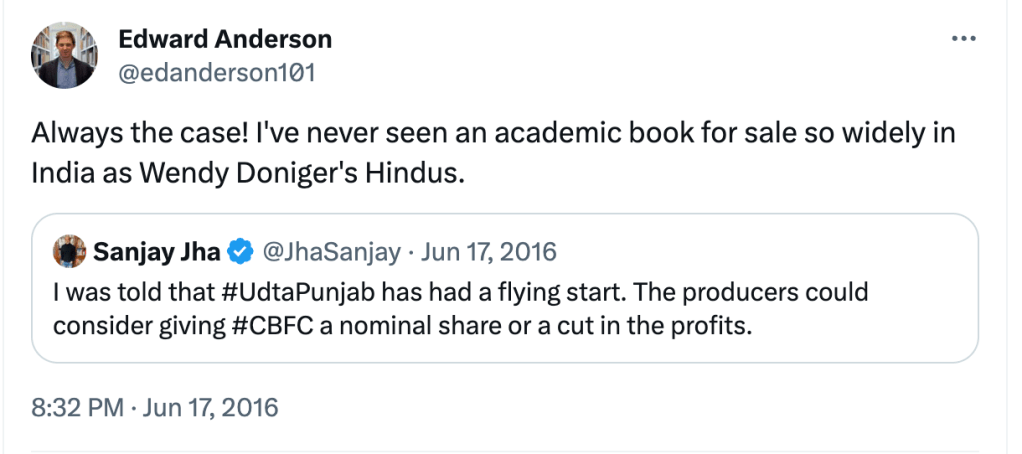
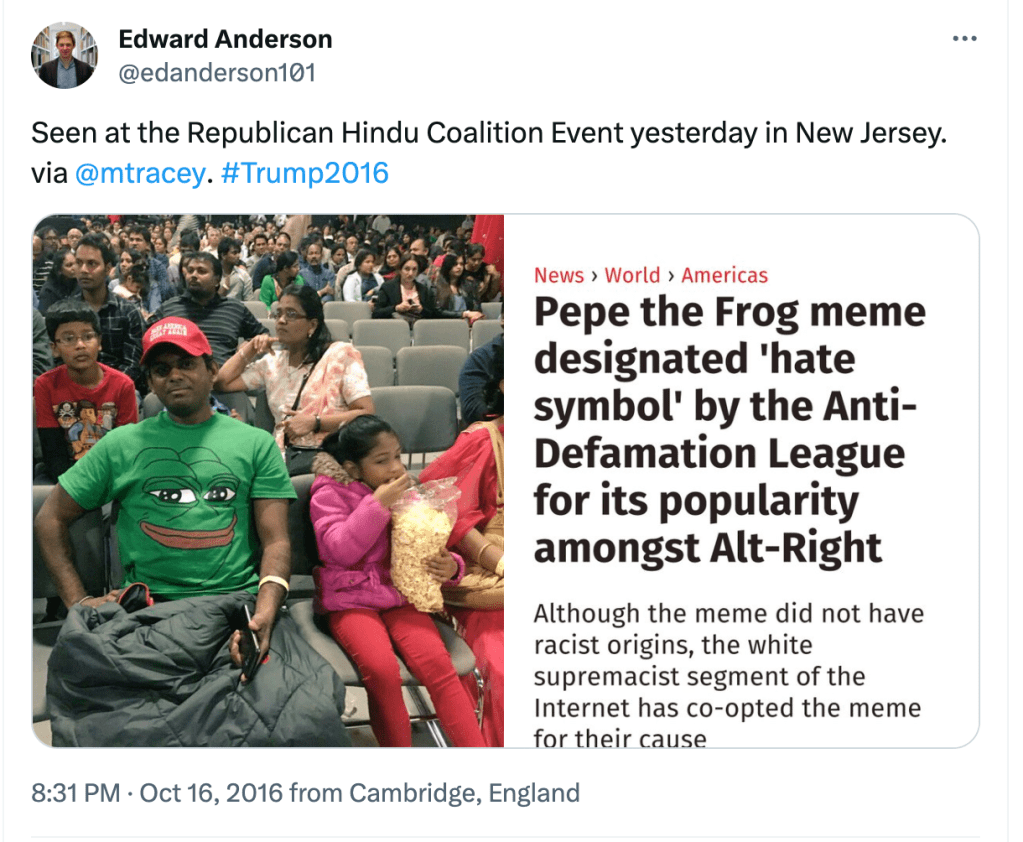
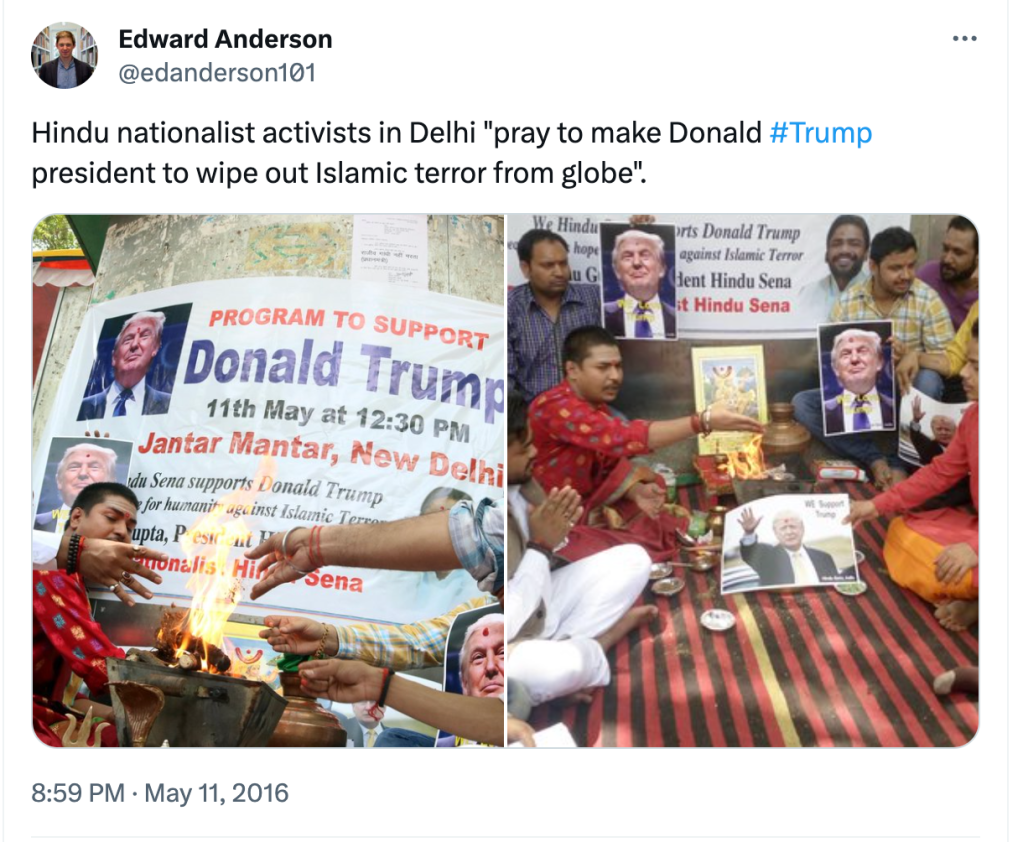
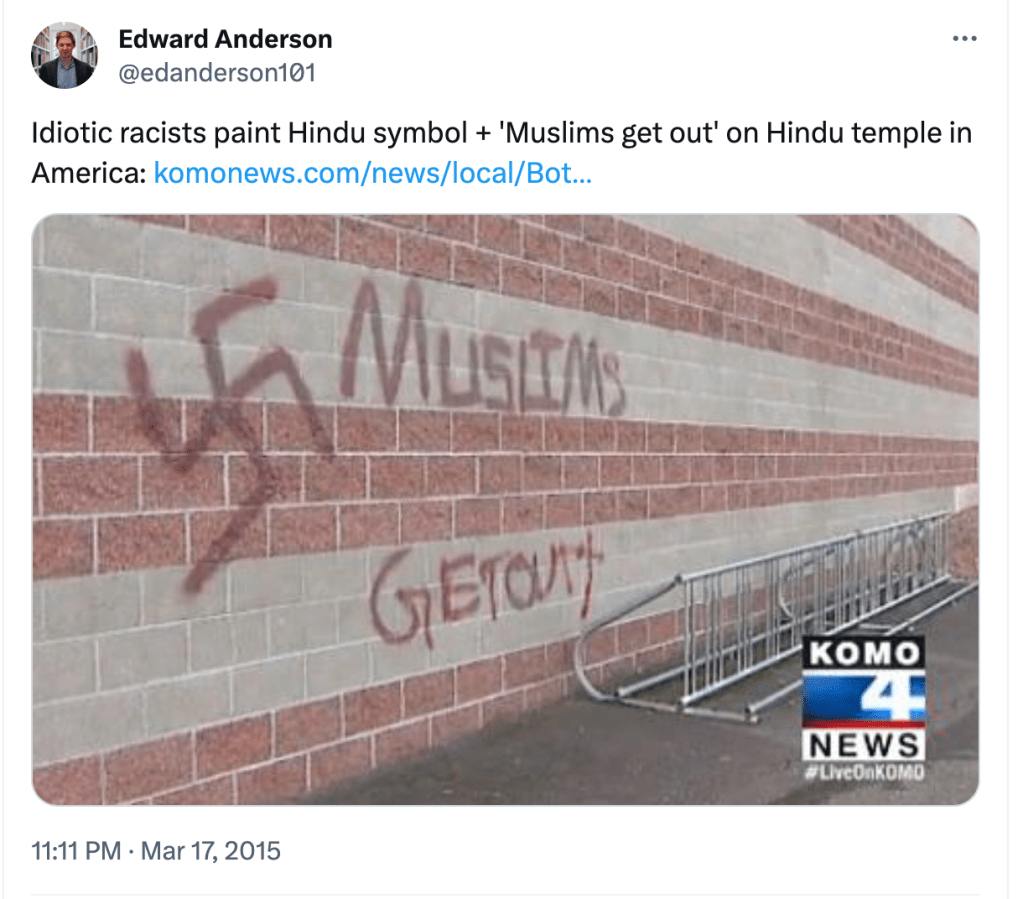
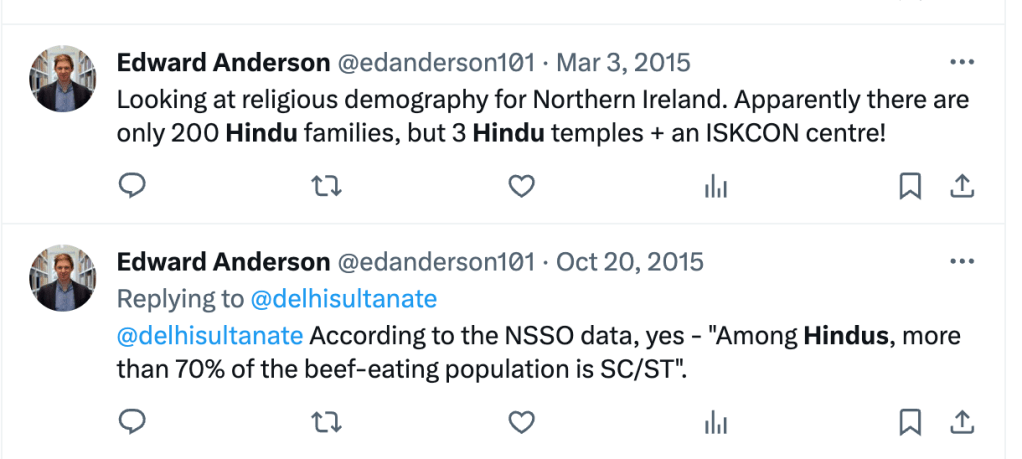
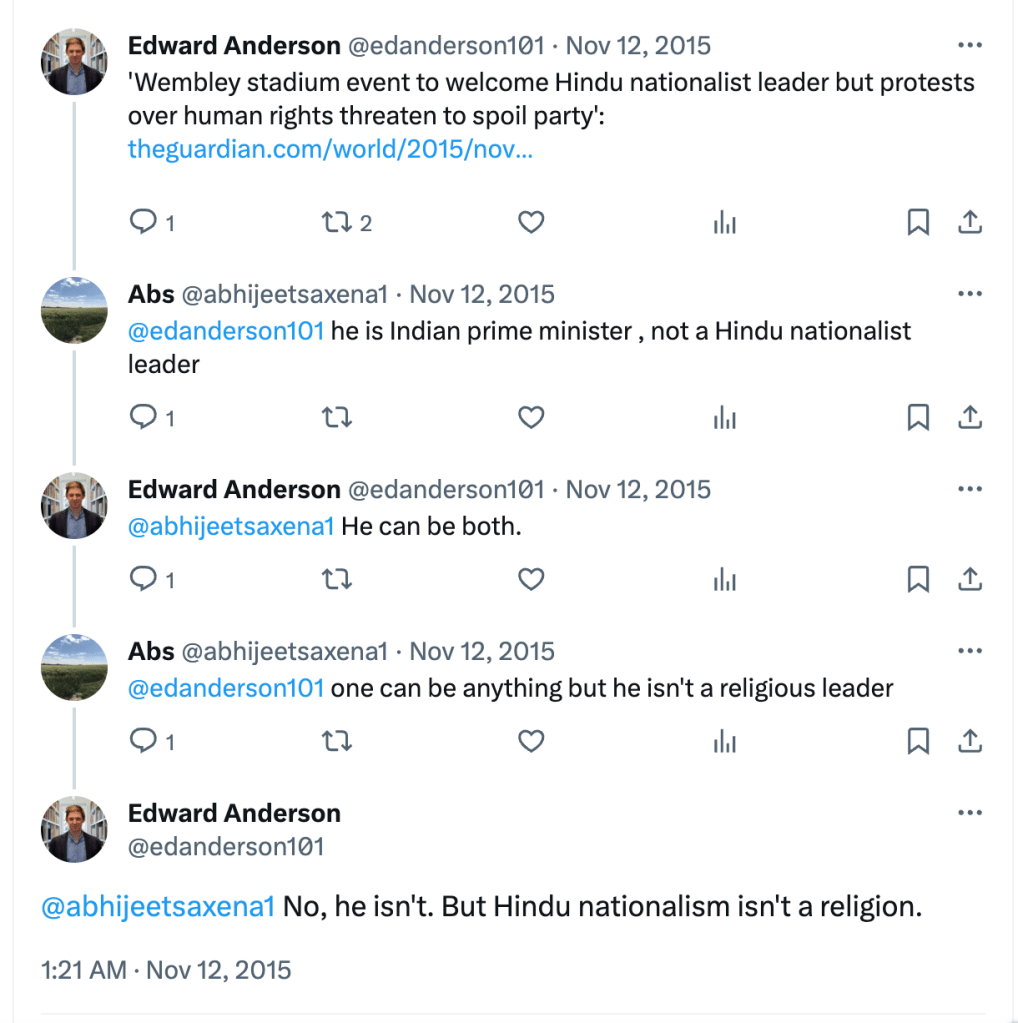
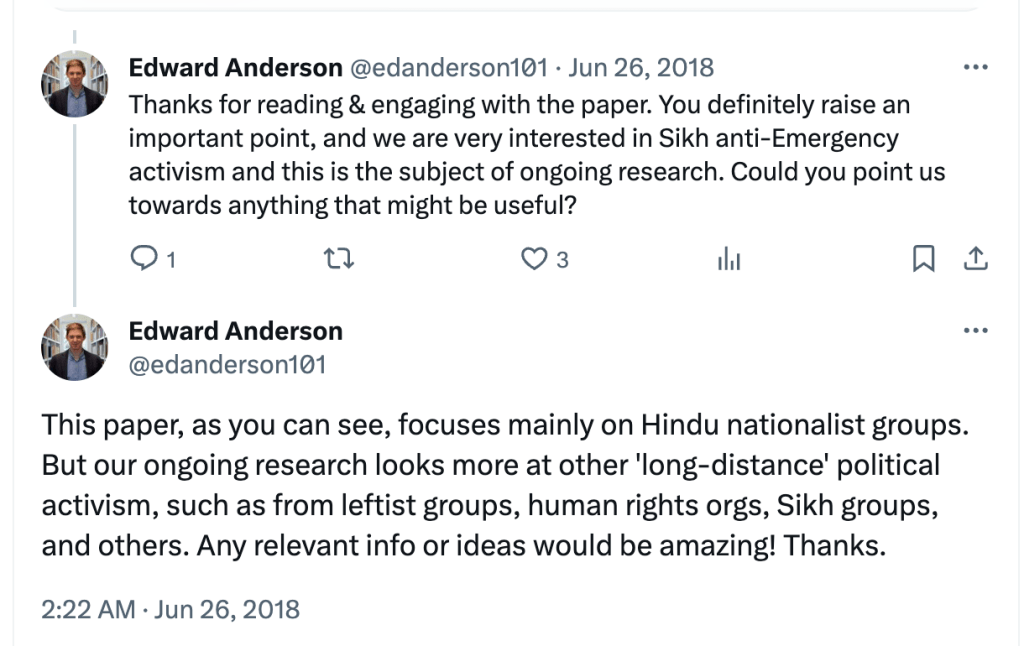
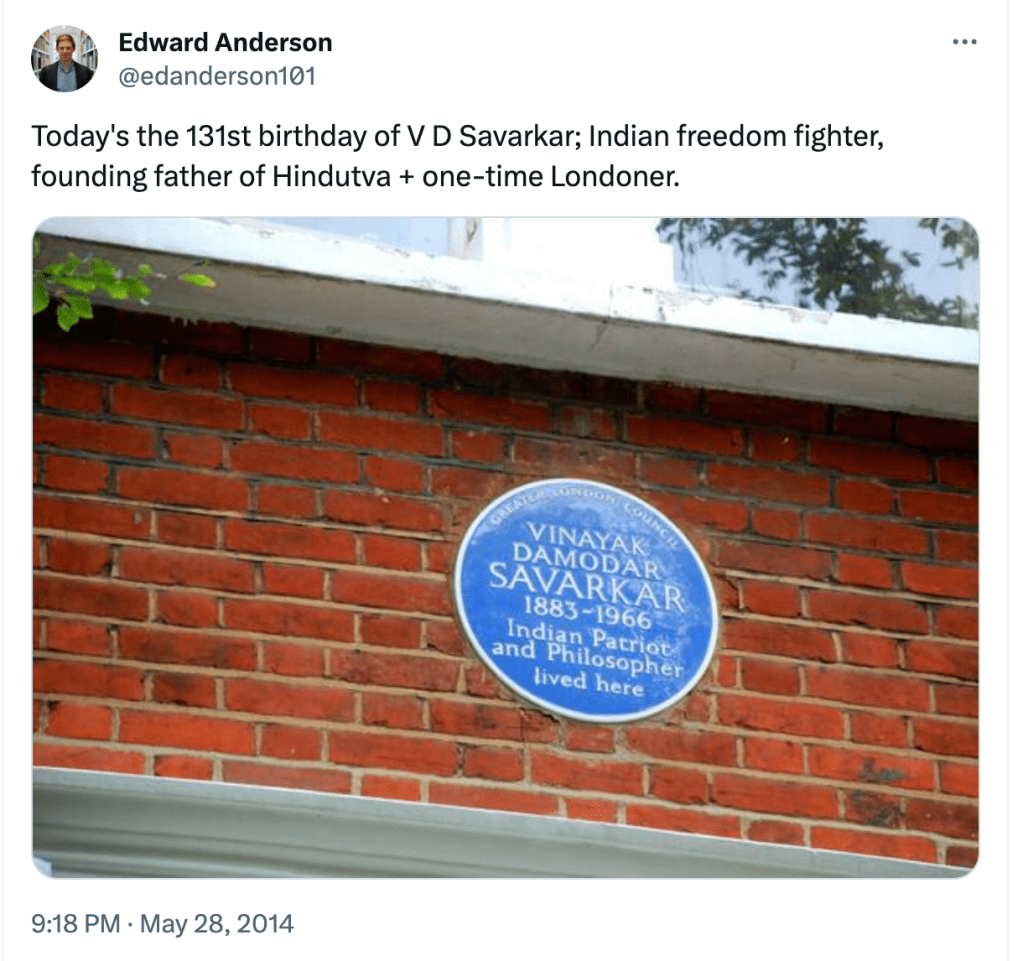
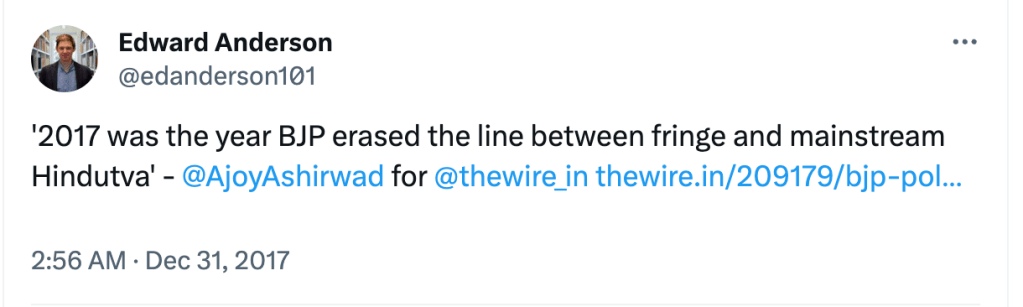
Edward Anderson’s X account: @edanderson101
In January 2025, Edward Anderson posted that he will no longer be using X.

























 STOP HINDU HATE ADVOCACY NETWORK